Live briefing

Everything about Pasteurization
Process of preserving foods with heat
In food processing, pasteurization (-isation) is a process of food preservation in which packaged foods are treated with mild heat, usually to less than 100 °C (212 °F), to eliminate pathogens and extend shelf life. Pasteurization either destroys or deactivates microorganisms and enzymes that contribute to food spoilage or the risk of disease, including vegetative bacteria, but most bacterial spores survive the process. Wikipedia →
🧭 Start here: a 6-step reading path
- Read the overview: PasteurizationA 5-minute orientation
- Skim a recent paper: Characterization of fruit juices and effect of pasteurization and storage conditions on their microbial, physicochemical, and nutritional qualityInfluential work since 2022
- Pick up a classic book: RevivalThe most-reprinted book on the subject
- Read the landmark paper: Engineering aspects of pulsed electric field pasteurizationCited 356 times
- Go sideways: Flash pasteurizationA closely related topic
- Go sideways: Raw milk movement in the United StatesA closely related topic
📖 Definitions
Noun Alternative spelling of pasteurisation.
🏆 Landmark papers (most cited)
Engineering aspects of pulsed electric field pasteurization
Effects of Pulsed Electric Fields on the Quality of Orange Juice and Comparison with Heat Pasteurization
The Effect of Holder Pasteurization on Nutrients and Biologically-Active Components in Donor Human Milk: A Review
High-Pressure Processing Technologies for the Pasteurization and Sterilization of Foods
Impact of temperature on lethality and energy efficiency of apple juice pasteurization by pulsed electric fields treatment
Dielectric properties of foods relevant to RF and microwave pasteurization and sterilization
Advances, Applications, and Comparison of Thermal (Pasteurization, Sterilization, and Aseptic Packaging) against Non-Thermal (Ultrasounds, UV Radiation, Ozonation, High Hydrostatic Pressure) Technologies in Food Processing
Effect of PEF and heat pasteurization on the physical–chemical characteristics of blended orange and carrot juice
🆕 Influential since 2022
Characterization of fruit juices and effect of pasteurization and storage conditions on their microbial, physicochemical, and nutritional quality
ZnO/C-mediated k-carrageenan based pseudo-pasteurization films for kumquat preservation
Pasteurization of Food and Beverages by High Pressure Processing (HPP) at Room Temperature: Inactivation of Staphylococcus aureus, Escherichia coli, Listeria monocytogenes, Salmonella, and Other Microbial Pathogens
Effects of ultra-high pressure, thermal pasteurization, and ultra-high temperature sterilization on color and nutritional components of freshly-squeezed lettuce juice
Effect of Heat Pasteurization and Sterilization on Milk Safety, Composition, Sensory Properties, and Nutritional Quality
📚 Books worth reading
 RevivalStephen King · 2014
 Pasteur's fight against microbesBeverley Birch, Christian Birmingham (illustrator) · 1995
 Louis Pasteur and PasteurizationJennifer Fandel, Keith Wilson · 2007
 Louis PasteurLinda Wasmer Smith · 1997
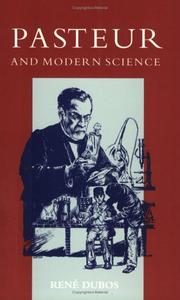 Pasteur and modern scienceRené J. Dubos, Rene Dubos · 1960
 La vie de PasteurRené Vallery-Radot · 1900
 Louis Pasteur, free lance of scienceRené J. Dubos · 1950
- 📕Private Science of Louis PasteurGerald L. Geison · 1996
Ranked by number of editions on Open Library, a rough measure of how lasting a book is.
🔗 Related topics
- Flash pasteurization Flash pasteurization, also called "high-temperature short-time" (HTST) processing, is a method of heat pasteurization of perishable beverages like fruit…
- Raw milk movement in the United States The raw milk movement in the United States encompasses advocacy and activism for the consumption of raw milk (unpasteurized and unhomogenized) over pasteurized…
- Thermization Thermization, also spelled thermisation, is a method of sanitizing raw milk with low heat. "Thermization is a generic description of a range of subpasteurizatio…
- Food preservation Food preservation includes processes that make food more resistant to microorganism growth and slow the oxidation of fats. This slows down the decomposition…
- Ultra-high-temperature processing Ultra-high temperature processing (UHT), ultra-heat treatment, or ultra-pasteurization is a food processing technology that sterilizes liquid food by heating…
- Raw milk Raw milk or unpasteurized milk is milk that has not undergone pasteurization, a process of heating foods to kill pathogens for safe consumption and extension…
- Pascalization Pascalization, bridgmanization, high pressure processing (HPP) or high hydrostatic pressure (HHP) processing is a method of preserving and sterilizing…
- Aseptic processing Aseptic processing is a processing technique wherein commercially thermally sterilized liquid products (typically food or pharmaceutical) are packaged…