Everything about Pascalization
Method of preserving and sterilizing food under high pressure
Pascalization, bridgmanization, high pressure processing (HPP) or high hydrostatic pressure (HHP) processing is a method of preserving and sterilizing food, in which a product is processed under very high pressure, leading to the inactivation of certain microorganisms and enzymes in the food. HPP has a limited effect on covalent bonds within the food product, thus maintaining both the sensory and nutritional aspects of the product. The technique was named after Blaise Pascal, a 17th century French scientist whose work included detailing the effects of pressure on fluids. During pascalization, more than 50,000 pounds per square inch may be applied for approximately fifteen minutes, leading to the inactivation of yeast, mold, vegetative bacteria, and some viruses and parasites. Pascalization is also known as bridgmanization, named for physicist Percy Williams Bridgman. Wikipedia →
🧭 Start here: a 6-step reading path
- Read the overview: PascalizationA 5-minute orientation
- Pick up a classic book: PenséesThe most-reprinted book on the subject
- Read the landmark paper: Role of Pascalization in Milk Processing and Preservation: A Potential Alternative towards Sustainable Food ProcessingCited 13 times
- Go sideways: PasteurizationA closely related topic
- Go sideways: ThermizationA closely related topic
📖 Definitions
Noun A method of preserving and sterilizing food through the use of high pressure.
🗂️ The subject at a glance
🏆 Landmark papers (most cited)
📚 Books worth reading
 PenséesBlaise Pascal, Philippe Sellier · 1670
 PascalDouglas W. Nance, Nance · 1986
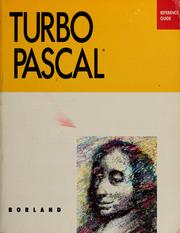 Turbo PascalBorland International · 1984
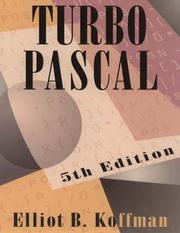 Turbo PascalElliot B. Koffman · 1986
 Think PythonAllen B. Downey, Allen Downey · 2009
 PascalSanford Leestma, Larry Nyhoff · 1987
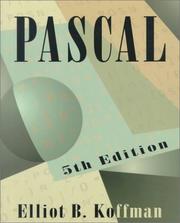 PascalElliot B. Koffman · 1982
 Turbo Pascal GriffbereitEkkehard Kaier · 1988
Ranked by number of editions on Open Library, a rough measure of how lasting a book is.
🔗 Related topics
- Pasteurization In food processing, pasteurization (-isation) is a process of food preservation in which packaged foods (e.g., milk and fruit juices) are treated with…
- Thermization Thermization, also spelled thermisation, is a method of sanitizing raw milk with low heat. "Thermization is a generic description of a range of subpasteurizatio…
- Ultra-high-temperature processing Ultra-high temperature processing (UHT), ultra-heat treatment, or ultra-pasteurization is a food processing technology that sterilizes liquid food by heating…
- Physical factors affecting microbial life Microbes can be damaged or killed by elements of their physical environment such as temperature, radiation, or exposure to chemicals; these effects can…
- Sterilization (microbiology) Sterilization (British English: sterilisation) refers to any process that removes, kills, or deactivates all forms of life (particularly microorganisms…
- Tyndallization Tyndallization is a process from the nineteenth century for sterilizing substances, usually food, named after its inventor John Tyndall, that can be used…
- Food preservation Food preservation includes processes that make food more resistant to microorganism growth and slow the oxidation of fats. This slows down the decomposition…
- Antimicrobial An antimicrobial is an agent that kills microorganisms (microbicide) or stops their growth (bacteriostatic agent). Antimicrobial medicines can be grouped…