Everything about LINE1
Group of transposable elements

LINE1 is a family of related class I transposable elements in the DNA of many groups of eukaryotes, including animals and plants, classified with the long interspersed nuclear elements (LINEs). L1 transposons are most ubiquitous in mammals, where they make up a significant fraction of the total genome length, for example they comprise approximately 17% of the human genome. These active L1s can interrupt the genome through insertions, deletions, rearrangements, and copy number variations. L1 activity has contributed to the instability and evolution of genomes and is tightly regulated in the germline by DNA methylation, histone modifications, and piRNA. L1s can further impact genome variation through mispairing and unequal crossing over during meiosis due to its repetitive DNA sequences. Wikipedia →
🧭 Start here: a 6-step reading path
- Read the overview: LINE1A 5-minute orientation
- Skim a recent paper: LINE1 are spliced in non-canonical transcript variants to regulate T cell quiescence and exhaustionInfluential work since 2022
- Pick up a classic book: Taking You PlacesThe most-reprinted book on the subject
- Read the landmark paper: A LINE1-Nucleolin Partnership Regulates Early Development and ESC IdentityCited 577 times
- Go sideways: RetrotransposonA closely related topic
- Go sideways: Long interspersed nuclear elementA closely related topic
📖 Definitions
No dictionary entry for this exact phrase.
🗂️ The subject at a glance
🏆 Landmark papers (most cited)
A LINE1-Nucleolin Partnership Regulates Early Development and ESC Identity
LINE1 Derepression in Aged Wild-Type and SIRT6-Deficient Mice Drives Inflammation
SIRT6 represses LINE1 retrotransposons by ribosylating KAP1 but this repression fails with stress and age
Miwi catalysis is required for piRNA amplification-independent LINE1 transposon silencing
The endonuclease activity of Mili fuels piRNA amplification that silences LINE1 elements
FTO mediates LINE1 m 6 A demethylation and chromatin regulation in mESCs and mouse development
piRNA pathway targets active LINE1 elements to establish the repressive H3K9me3 mark in germ cells
The effect of chitosan and other polycations on tight junction permeability in the human intestinal Caco-2 cell line1 1Abbreviations: AP = apical; BL = basolateral; 2-DOG = 2-deoxyglucose; HBSS = Hanks balanced salt solution; FITC = fluorescein isothiocyanate; HEPES = N-2-hydroxyethyl piperazine-N-4-butanesulfonic acid; HMW = high molecular weight; LMW = low molecular weight; MES = morpholinoethane sulfonic acid; PBS+ = phosphate buffered saline; PEI = polyethylenimine; TEER = trans-epithelial electrical resistance; TRITC = tetramethylrodamine isothiocyanate.
🆕 Influential since 2022
LINE1 are spliced in non-canonical transcript variants to regulate T cell quiescence and exhaustion
LINE1 and PRC2 control nucleolar organization and repression of the 8C state in human ESCs
Replicative Senescence-Associated LINE1 Methylation and LINE1-Alu Expression Levels in Human Endothelial Cells
The transcription factor PAX5 activates human LINE1 retrotransposons to induce cellular senescence
The double flower variant of yellowhorn is due to a LINE1 transposon-mediated insertion
📚 Books worth reading
 Taking You PlacesAnn Owen · 2000
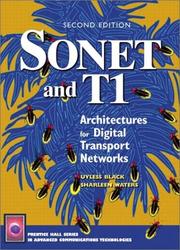 Sonet and T1Uyless Black · 1997
 Тензорная тригонометрияNinul Anatoly Sergeevich · 2004
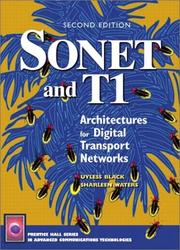 SONET and T1Uyless D. Black · 1997
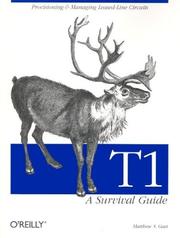 T1Matthew Gast · 2001
 Introduction to T1/T3 networkingRegis J. Bates · 1992
 A guide to Fractional T1James Trulove · 1992
- 📕Fireberd 300/500 · 1994
Ranked by number of editions on Open Library, a rough measure of how lasting a book is.
🔗 Related topics
- Retrotransposon Retrotransposons (also called class I transposable elements) are mobile elements which move in the host genome by converting their transcribed RNA into…
- Long interspersed nuclear element Long interspersed nuclear elements (LINEs) (also known as long interspersed nucleotide elements or long interspersed elements) are a group of non-LTR (long…
- Short interspersed nuclear element Short interspersed nuclear elements (SINEs) are non-autonomous, non-coding transposable elements (TEs) that are about 100 to 700 base pairs in length.…
- Transposable element Transposable elements (TEs), also known as transposons, jumping genes, or mobile genetic elements, are DNA sequences that can change their position, or…
- APOBEC3B Probable DNA dC->dU-editing enzyme APOBEC-3B is a protein that in humans is encoded by the APOBEC3B gene. This gene is a member of the cytidine deaminase…
- Pseudogene Pseudogenes are nonfunctional segments of DNA that resemble functional genes. Pseudogenes can be formed from both protein-coding genes and non-coding genes…
- Alu element An Alu element is a primate-specific highly repetitive DNA sequence that "jumps" from one place on the genome to another. It is a type of transposable…
- T-box transcription factor T T-box transcription factor T, also known as Brachyury protein, is encoded for in humans and other apes by the TBXT gene. Brachyury functions as a transcription…