Everything about Web platform
Browser-based computing platform
The Web platform is a collection of technologies developed as open standards by the World Wide Web Consortium and other standardization bodies such as the Web Hypertext Application Technology Working Group, the Unicode Consortium, the Internet Engineering Task Force, and Ecma International. It is the umbrella term introduced by the World Wide Web Consortium, and in 2011 it was defined as "a platform for innovation, consolidation and cost efficiencies" by W3C CEO Jeff Jaffe. Being built on The evergreen Web has allowed for the addition of new capabilities while addressing security and privacy risks. Additionally, developers are enabled to build interoperable content on a cohesive platform. Wikipedia →
🧭 Start here: a 6-step reading path
- Read the overview: Web platformA 5-minute orientation
- Skim a recent paper: PGxDB: an interactive web-platform for pharmacogenomics researchInfluential work since 2022
- Pick up a classic book: Programming for PaaSThe most-reprinted book on the subject
- Read the landmark paper: The Platformization of the Web: Making Web Data Platform ReadyCited 850 times
- Go sideways: SVGA closely related topic
- Go sideways: Web standardsA closely related topic
📖 Definitions
No dictionary entry for this exact phrase.
🗂️ The subject at a glance
🏆 Landmark papers (most cited)
The Platformization of the Web: Making Web Data Platform Ready
Web Apollo: a web-based genomic annotation editing platform
OptoBase: A Web Platform for Molecular Optogenetics
Ontology-driven Web services composition platform
TAP: a Semantic Web platform
Radigost: Interoperable web-based multi-agent platform
A web-based platform for virtual screening
Benchmarking hospitals through a web based platform
🆕 Influential since 2022
📚 Books worth reading
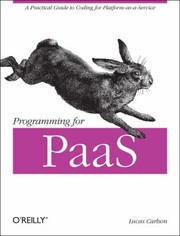 Programming for PaaSLucas Carlson · 2013
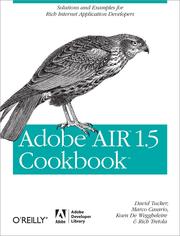 Adobe AIR 1.5 CookbookDavid Tucker, Marco Casario · 2008
 Adobe Integrated Runtime (AIR) for JavaScript DevelopersMike Chambers · 2007
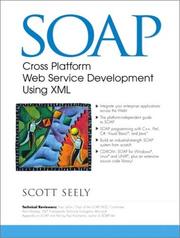 SOAPScott Seely, Kent Sharkey · 2001
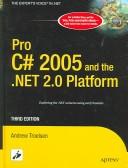 Pro C# 2005 and the .NET 2.0 PlatformAndrew Troelsen · 2005
 Building Mobile Applications With JavaJoshua Marinacci · 2012
- 📕Intʻŏnet pʻotʻŏl sanŏp ŭi kyŏngjaeng kujo punsŏkYang-su Chin · 2008
- 📕Adobe AIR programming unleashedStacy Tyler Young · 2008
Ranked by number of editions on Open Library, a rough measure of how lasting a book is.
🔗 Related topics
- SVG Scalable Vector Graphics (SVG) is an XML-based vector graphics format for defining two-dimensional graphics, having support for interactivity and animation…
- Web standards Web standards are the formal, non-proprietary standards and other technical specifications that define and describe aspects of the World Wide Web. In recent…
- HTML5 HTML5 (Hypertext Markup Language 5) is a markup language used for structuring and presenting hypertext documents on the World Wide Web. It was the fifth…
- SVG animation Animation of Scalable Vector Graphics, an open XML-based standard vector graphics format is possible through various means: Scripting: ECMAScript is a…
- Vector Markup Language Vector Markup Language (VML) is an obsolete XML-based file format for two-dimensional vector graphics. It was specified in Part 4 of the Office Open XML…
- XHTML Extensible HyperText Markup Language (XHTML) is part of the family of XML markup languages which mirrors or extends versions of the widely used HyperText…
- HTML Hypertext Markup Language (HTML) is the standard markup language for documents designed to be displayed in a web browser. It defines the content and structure…
- World Wide Web Consortium The World Wide Web Consortium (W3C) is the main international standards organization for the World Wide Web. Founded in 1994 by Tim Berners-Lee, the consortium…