Everything about The Open Source Definition
1998 Open Source Initiative policy document
The Open Source Definition (OSD) is a policy document published by the Open Source Initiative in 1998. Derived from the Debian Free Software Guidelines written by Bruce Perens, the OSD is the predominant standard for open-source software. The definition has ten criteria, such as requiring freely accessed source code and granting the open-source rights to everyone who receives a copy of the program. Covering both copyleft and permissive licenses, it is effectively identical to the definition of free software, but motivated by more pragmatic and business-friendly considerations. The Open Source Initiative's board votes on proposals of licenses to certify that they are compliant with the definition, and maintains a list of compliant licenses on its website. The definition has been adapted into the Open Knowledge Foundation's Open Definition for open knowledge and into open hardware definitions. Wikipedia →
🧭 Start here: a 6-step reading path
- Read the overview: The Open Source DefinitionA 5-minute orientation
- Skim a recent paper: Regulating transparency: a critique of the “free and open source AI” definition in the EU AI actInfluential work since 2022
- Pick up a classic book: DraculaThe most-reprinted book on the subject
- Read the landmark paper: The Future of the Open Source DefinitionCited 4 times
- Go sideways: The Free Software DefinitionA closely related topic
- Go sideways: Comparison of free and open-source software licensesA closely related topic
📖 Definitions
No dictionary entry for this exact phrase.
🗂️ The subject at a glance
🏆 Landmark papers (most cited)
🆕 Influential since 2022
📚 Books worth reading
 DraculaBram Stoker · 1897
 Madame BovaryGustave Flaubert · 1856
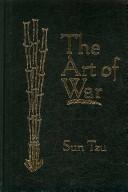 The Art of War孙武 (Sun Tzu) · 1900
 Romeo and JulietWilliam Shakespeare · 1597
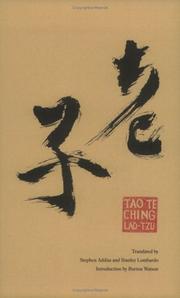 Tao te Ching老子, Yang Peng · 1842
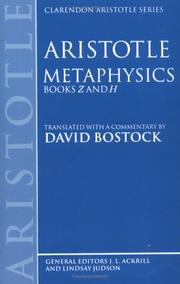 La PoeticaAristotle · 1479
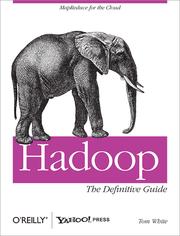 HadoopTom White, Tom White · 2009
 MongoDBMichael Dirolf, Kristina Chodorow · 2010
Ranked by number of editions on Open Library, a rough measure of how lasting a book is.
🔗 Related topics
- The Free Software Definition The Free Software Definition is a policy document written by Richard Stallman and published by the Free Software Foundation (FSF). For those who accept…
- Comparison of free and open-source software licenses This comparison covers notable software licenses which are approved by at least one of the following expert groups: the Free Software Foundation, the Open…
- Open Source Initiative The Open Source Initiative (OSI) is an American nonprofit organization that maintains The Open Source Definition (OSD), the predominant standard for open-source…
- Open-source license Open-source licenses are software licenses that allow content to be used, modified, and shared. They facilitate free and open-source software (FOSS) development…
- Free-software license A free-software license is a notice that grants the recipient of a piece of software extensive rights to modify and redistribute that software. These actions…
- Server Side Public License The Server Side Public License (SSPL) is a non-free strong copyleft software license first introduced by MongoDB Inc. in 2018. It includes most of the…
- Open Software License The Open Software License (OSL) is a software license created by Lawrence Rosen. The Open Source Initiative (OSI) has certified it as an open-source license…
- IBM Public License The IBM Public License (IPL) is a free open-source software license written and occasionally used by IBM. It is approved by the Free Software Foundation…