Live briefing

Everything about Halter
Animal headgear
A halter or headcollar is headgear placed on animals used to lead or tie up livestock and, occasionally, other animals; it fits behind the ears, and around the muzzle. To handle the animal, usually a lead rope is attached. On smaller animals, such as dogs, a leash is attached to the halter. Wikipedia →
🧭 Start here: a 6-step reading path
- Read the overview: HalterA 5-minute orientation
- Skim a recent paper: Case report: “Fur stole and turtleneck” and “halter-back” signs: an expanded wardrobe for dermatomyositisInfluential work since 2022
- Pick up a classic book: Sports illustrated training with weightsThe most-reprinted book on the subject
- Read the landmark paper: Classification of ingestive-related cow behaviours using RumiWatch halter and neck-mounted accelerometersCited 93 times
- Go sideways: BridleA closely related topic
- Go sideways: Fiador (tack)A closely related topic
📖 Definitions
Noun A bitless headpiece of rope or straps, placed on the head of animals such as cattle or horses to lead or tie them.
Noun A rope with a noose, for hanging criminals; the gallows rope.
Noun A halter top.
Verb To place a halter on.
🗂️ The subject at a glance
🏆 Landmark papers (most cited)
Classification of ingestive-related cow behaviours using RumiWatch halter and neck-mounted accelerometers
Cattle behaviour classification from collar, halter, and ear tag sensors
Successful Reduction for a Pediatric Chronic Atlantoaxial Rotatory Fixation (Grisel syndrome) With Long-term Halter Traction
The influence of handling during different ages on a halter training test in foals
Results of halter cervical traction for the treatment of cervical radiculopathy: retrospective review of 81 patients
Technical note: Estimation of feed intake while grazing using a wireless system requiring no halter
Genetic Interactions AmongVestigial, Hairy, andNotchSuggest a Role ofVestigialin the Differentiation of Epidermal and Neural Cells of the Wing and Halter ofDrosophila Melanogaster
A Comparison of Fixed-Time Food Schedules and Shaping Involving a Clicker for Halter Behavior in a Petting Zoo Goat
🆕 Influential since 2022
Case report: “Fur stole and turtleneck” and “halter-back” signs: an expanded wardrobe for dermatomyositis
Objects as Knowledgeable Elders: Lessons From the Reindeer Calf Halter Mȯnggu̇i
Neonatal Halter Traction for Severe Cervical Spine Deformity: A Technical Case Report With 2-Year Follow-up
The welfare of dairy cows managed with Halter virtual fencing and herding technology compared with those managed with electric fencing and stockperson herding
Besitzerwechsel: Welche Informationen darf der Tierarzt dem neuen Halter geben?
📚 Books worth reading
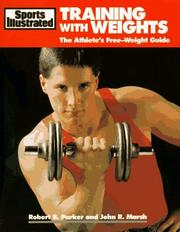 Sports illustrated training with weightsRobert B. Parker, John R. Marsh · 1974
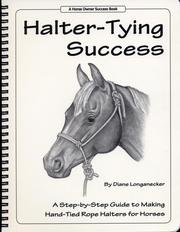 Halter-Tying SuccessDiane Longanecker · 2002
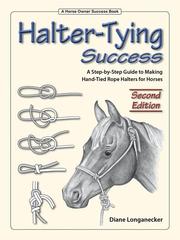 Halter-Tying SuccessDiane Longanecker · 2009
 Fitting & showing the halter horseLynda Bloom · 1980
 Modern weight-trainingAlexander Murray · 1971
- 📕Lussi + HalterHeinz Wirz · 2007
 Dog Training with a Head HalterMiriam Fields-Babineau · 2000
- 📕ZHBThomas Lussi, Remo Halter Casagrande · 2020
Ranked by number of editions on Open Library, a rough measure of how lasting a book is.
🔗 Related topics
- Bridle A bridle is a piece of equipment used to direct a horse. It includes both the headstall that holds a bit that goes in the mouth of a horse, and the reins…
- Fiador (tack) A fiador (/ˈfiːədɔːr/) term of Spanish colonial origin referring to a hackamore component used principally in the Americas. In English-speaking North America…
- Bitless bridle A bitless bridle is a general term describing a wide range of headgear for horses or other animals that directs the animal without using a bit. Direction…
- Hackamore A hackamore (or jáquima) is a type of horse headgear which does not have a bit. Instead, it has a special type of noseband that works on pressure points…
- Horse tack Tack is equipment or accessories equipped on horses and other equines in the course of their use as domesticated animals. This equipment includes such…
- Noseband A noseband is the part of a horse's bridle that encircles the nose and jaw of the horse. In English riding, where the noseband is separately attached to…
- Rein Reins are used to direct a horse (or other animal) when riding or driving. They are attached to a bridle's bit or noseband and are made of leather, nylon…
- Longeing Longeing /ˈlʌndʒɪŋ/ (US English, classical spelling) or lungeing (UK English, informal US) is a technique for training and exercising horses where the…