Everything about Digitization
Converting information into digital form

Digitization is the process of converting information into a digital format, i.e., a format that can be read by computers. The result is the representation of an object, image, sound, document, or signal obtained by generating a series of numbers that describe a discrete set of points or samples. The result of this conversion is called digital representation or, more specifically, a digital image for the object and digital form for the signal. In contemporary practice, the digitized data is expressed as binary numbers, thereby enabling processing by digital computers and other operations. However, the fundamental process of digitizing entails "the conversion of analog source material into a numerical format"; the decimal or any other number system can be used instead. Wikipedia →
🧭 Start here: a 6-step reading path
- Read the overview: DigitizationA 5-minute orientation
- Skim a recent paper: The digitization of agricultural industry – a systematic literature review on agriculture 4.0Influential work since 2022
- Pick up a classic book: Digital photography for dummiesThe most-reprinted book on the subject
- Read the landmark paper: The Digitization of Word of Mouth: Promise and Challenges of Online Feedback MechanismsCited 2,357 times
- Go sideways: Digital preservationA closely related topic
- Go sideways: Book scanningA closely related topic
📖 Definitions
Noun The conversion of data or information from analog to digital or binary.
Noun Hence, the transformation of a process or system from mainly analogue form to digital form
🏆 Landmark papers (most cited)
The Digitization of Word of Mouth: Promise and Challenges of Online Feedback Mechanisms
Industry 4.0, digitization, and opportunities for sustainability
Reflections on societal and business model transformation arising from digitization and big data analytics: A research agenda
Digitization capability and the digitalization of business models in business-to-business firms: Past, present, and future
Boosting servitization through digitization: Pathways and dynamic resource configurations for manufacturers
Servitization, digitization and supply chain interdependency
Can enterprise digitization improve ESG performance?
Impact of digital leadership capability on innovation performance: The role of platform digitization capability
🆕 Influential since 2022
The digitization of agricultural industry – a systematic literature review on agriculture 4.0
Does digitization improve green total factor energy efficiency? Evidence from Chinese 213 cities
Digitization of healthcare sector: A study on privacy and security concerns
A pathway to sustainable development: Digitization and green productivity
ICT sector, digitization and environmental sustainability: A systematic review of the literature from 2000 to 2022
📚 Books worth reading
 Digital photography for dummiesJulie Adair King · 1997
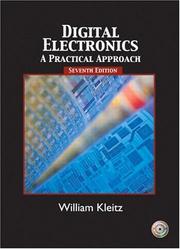 Digital ElectronicsWilliam Kleitz · 1987
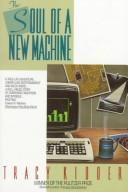 The Soul of a New MachineTracy Kidder · 1981
 Digital electronicsRoger L. Tokheim · 1979
 A Short Course in PhotographyBarbara London, Barbara London · 1979
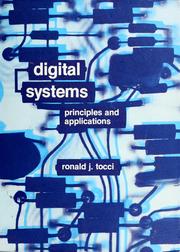 Digital systemsRonald J. Tocci, Neal S. Widmer · 1977
 Light and lensRobert Hirsch · 2007
 Digital fundamentalsThomas L. Floyd · 1977
Ranked by number of editions on Open Library, a rough measure of how lasting a book is.
🔗 Related topics
- Digital preservation In library and archival science, digital preservation is a formal process to ensure that digital information of continuing value remains accessible and…
- Book scanning Book scanning or book digitization (also: magazine scanning or magazine digitization) is the process of converting physical books and magazines into digital…
- Preservation (library and archive) In conservation, library and archival science, preservation is a set of preventive conservation activities aimed at prolonging the life of a record, book…
- Digital photograph restoration Digital photograph restoration is the practice of restoring the appearance of a digital copy of a physical photograph that has been damaged by natural…
- Digital library A digital library (also referred to as an online library, an internet library, a digital repository, a library without walls, or a digital collection)…
- Audiovisual archive An audiovisual archive is concerned with the preservation and access to films, videos, audio recordings, images, television, radio, and other audio and…
- Born-digital The term born-digital refers to materials that originate in a digital form. This is in contrast to digital reformatting, through which analog materials…
- VisualAudio VisualAudio is a project that retrieves sound from a picture of a phonograph record. It originated from a partnership between the Swiss National Sound…