Everything about Cachexia
Syndrome causing muscle loss

Cachexia is a syndrome that occurs in people with certain illnesses, causing muscle loss that cannot be fully reversed with improved nutrition. It most commonly occurs in cases of cancer, congestive heart failure, chronic obstructive pulmonary disease, chronic kidney disease, and AIDS. These conditions change how the body handles inflammation, metabolism, and brain signaling. This can lead to muscle loss and other harmful changes to body composition over time. Unlike weight loss from inadequate caloric intake, cachexia mainly causes muscle loss and can happen with or without fat loss. Diagnosis of cachexia is difficult because there are no clear guidelines, and its occurrence varies from one affected person to the next. Wikipedia →
🧭 Start here: a 6-step reading path
- Read the overview: CachexiaA 5-minute orientation
- Skim a recent paper: Ponsegromab for the Treatment of Cancer CachexiaInfluential work since 2022
- Pick up a classic book: Pharmacotherapy of cachexiaThe most-reprinted book on the subject
- Read the landmark paper: Definition and classification of cancer cachexia: an international consensusCited 5,271 times
- Go sideways: Muscle atrophyA closely related topic
- Go sideways: SarcopeniaA closely related topic
📖 Definitions
Noun A systemic wasting of muscle tissue, with or without loss of fat mass, that accompanies a chronic disease.
🗂️ The subject at a glance
🏆 Landmark papers (most cited)
Definition and classification of cancer cachexia: an international consensus
Cancer Cachexia in the Age of Obesity: Skeletal Muscle Depletion Is a Powerful Prognostic Factor, Independent of Body Mass Index
Cachexia: A new definition
Cancer-associated cachexia
Consensus definition of sarcopenia, cachexia and pre-cachexia: Joint document elaborated by Special Interest Groups (SIG) “cachexia-anorexia in chronic wasting diseases” and “nutrition in geriatrics”
Cancer cachexia: understanding the molecular basis
Cancer Cachexia: Mediators, Signaling, and Metabolic Pathways
Mechanisms of Cancer Cachexia
🆕 Influential since 2022
Ponsegromab for the Treatment of Cancer Cachexia
Cancer cachexia: molecular mechanisms and treatment strategies
Cachexia: A systemic consequence of progressive, unresolved disease
Cancer-associated cachexia — understanding the tumour macroenvironment and microenvironment to improve management
Pathophysiological role of growth differentiation factor 15 (GDF15) in obesity, cancer, and cachexia
📚 Books worth reading
 Pharmacotherapy of cachexiaKarl G. Hofbauer · 2005
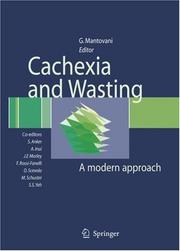 Cachexia and wastingGiovanni Mantovani · 2006
 Ueber Amyloiddegeneration bei Krebskachexie ...Emil Brüning · 1896
- 📕The pathogenesis of cardiac cachexiaJoseph G. Pittman · 1965
 Further observations on the use of pancreatic emulsion and pancreatine, in consumption, marasmus, tabes mesenterica, and other wasting diseases of children and adultsHorace Dobell · 1872
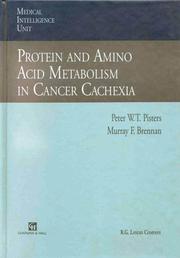 Protein and amino acid metabolism in cancer cachexiaMurray F. Brennan · 1996
 Gastrointestinal and Nutritional Manifestations of the Acquired Immunodeficiency SyndromeDonald P. Kotler · 1991
- 📕Commentatio de cachexiis et cacochymiis in certamine literario ...Ernestus Augustus Guillelmus Himly · 1823
Ranked by number of editions on Open Library, a rough measure of how lasting a book is.
🔗 Related topics
- Muscle atrophy Muscle atrophy is the loss of skeletal muscle mass. It can be caused by immobility, aging, malnutrition, medications, or a wide range of injuries or diseases…
- Sarcopenia Sarcopenia (ICD-10-CM code M62.84) is a type of muscle loss that occurs with aging and/or immobility. It is characterized by the degenerative loss of skeletal…
- Sarcopenic obesity Sarcopenic obesity is a combination of two disease states, sarcopenia and obesity. Sarcopenia is the muscle mass/strength/physical function loss associated…
- Weight loss In medicine, health, or physical fitness, weight loss is a reduction of the total body mass, by a mean loss of fluid, body fat (adipose tissue), or lean…
- Juven Juven is a medical food that is manufactured by Abbott Laboratories and used to provide nutritional support under the care of a physician in individuals…
- Undernutrition in older adults Undernutrition in older adults (a type of malnutrition) is a syndrome that results in lower energy availability than that is required to meet the body's…
- Society on Sarcopenia, Cachexia and Wasting Disorders Society on Sarcopenia, Cachexia and Wasting Disorders (SCWD) is an international and multidisciplinary non-profit organization, created in 2008 that focuses…
- Sarcopenic dysphagia Sarcopenic dysphagia is a swallowing disorder caused by sarcopenia where there is a decrease in mass, strength and function of the skeletal muscles in…