Everything about Adaptive learning
Educational learning method using computer algorithms and AI
Adaptive learning, also known as adaptive teaching, is an educational method which uses computer algorithms as well as artificial intelligence to orchestrate the interaction with the learner and deliver customized resources and learning activities to address the unique needs of each learner. In professional learning contexts, individuals may "test out" of some training to ensure they engage with novel instruction. Computers adapt the presentation of educational material according to students' learning needs, as indicated by their responses to questions, tasks and experiences. The technology encompasses aspects derived from various fields of study including computer science, artificial intelligence, psychometrics, education, psychology, and brain science. Wikipedia →
🧭 Start here: a 6-step reading path
- Read the overview: Adaptive learningA 5-minute orientation
- Skim a recent paper: Adaptive Learning Using Artificial Intelligence in e-Learning: A Literature ReviewInfluential work since 2022
- Pick up a classic book: FlatlandThe most-reprinted book on the subject
- Read the landmark paper: Domain Adaptive Ensemble LearningCited 294 times
- Go sideways: Intelligent tutoring systemA closely related topic
- Go sideways: Cognitive tutorA closely related topic
📖 Definitions
Noun An educational method which uses computer algorithms as well as artificial intelligence to orchestrate the interaction with the learner and deliver customized resources and learning activities to address the unique needs of each learner.
🗂️ The subject at a glance
🏆 Landmark papers (most cited)
Domain Adaptive Ensemble Learning
When adaptive learning is effective learning: comparison of an adaptive learning system to teacher-led instruction
Adaptive E-Learning
Adaptive Factorization Network: Learning Adaptive-Order Feature Interactions
Adaptive Manifold Learning
Adaptive learning:
Adaptive Transfer Learning
Faster Adaptive Federated Learning
🆕 Influential since 2022
📚 Books worth reading
 FlatlandEdwin Abbott Abbott · 1884
 BuryaWilliam Shakespeare · 1789
 Toward a theory of neuroplasticityChristopher A. Shaw · 2001
 Adaptive blind signal and image processingAndrzej Cichocki · 2002
 Adaptive spatial alignmentGordon M. Redding · 1997
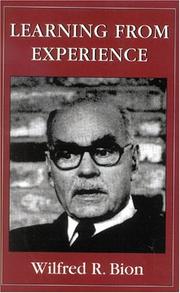 Learning from experienceWilfred R. Bion · 1962
 Adaptive behavior and learningJ. E. R. Staddon · 1983
 Adaptive dynamicsJ. E. R. Staddon, John E. R. Staddon · 2001
Ranked by number of editions on Open Library, a rough measure of how lasting a book is.
🔗 Related topics
- Intelligent tutoring system An intelligent tutoring system (ITS) is a computer system that imitates human tutors and aims to provide immediate and customized instruction or feedback…
- Cognitive tutor A cognitive tutor is a particular kind of intelligent tutoring system that utilizes a cognitive model to provide feedback to students as they are working…
- Kenneth Koedinger Kenneth R. Koedinger (born 1962) is an American cognitive scientist and computer scientist who is the Hillman University Professor of Computer Science…
- Vincent Aleven Vincent Aleven is a professor of human-computer interaction and director of the undergraduate program at Carnegie Mellon University's Human–Computer Interaction…
- Learning analytics Learning analytics is the measurement, collection, analysis and reporting of data about learners and their contexts, for purposes of understanding and…
- Online tutoring Online tutoring is the process of tutoring in an online, virtual, or networked, environment, in which teachers and learners participate from separate physical…
- Expertise reversal effect The expertise reversal effect refers to the reversal of the effectiveness of instructional techniques on learners with differing levels of prior knowledge…
- Instructional scaffolding Instructional scaffolding is the support given to a student by an instructor throughout the learning process. This support is specifically tailored to…